Introduction to The Loving Kindness Meditation
I recently took an online course from the University of Michigan called “Finding Purpose and Meaning In Life: Living for What Matters Most”. It was taught by Professor Victor Strecher. He has also written a book on the subject called “Life on Purpose: How Living for What Matters Most Changes Everything”. His daughter had died of an illness when she was a young teen and he was lost as to how to live his life… until one day his daughter “spoke” to him while he was rowing in his kayak on Lake Michigan and told him he needed to get on with his life.
During this class, Professor Strecher mentioned the Loving Kindness Meditation and that it had helped him and some other people he knew. It’s a fairly short meditation and I liked the messages it sends to ourselves and out into the world.
The Loving-kindness meditation, or Metta, is a mindfulness practice that cultivates goodwill, kindness, and compassion by silently repeating phrases of well-wishes towards yourself and others. It involves starting out by sending warm feelings to yourself first and then gradually extending them to loved ones, acquaintances, someone you’ve had a difficult time with, and eventually to all living beings. This ancient Buddhist practice aims to boost happiness, reduce self-focus and negativity, and foster feelings of connection and empathy. There are many different versions of this phrase, but I like this one because it’s easy to remember: “May I be happy, may I be healthy, may I be safe, may I live with ease”.
How to Practice Loving-Kindness Meditation
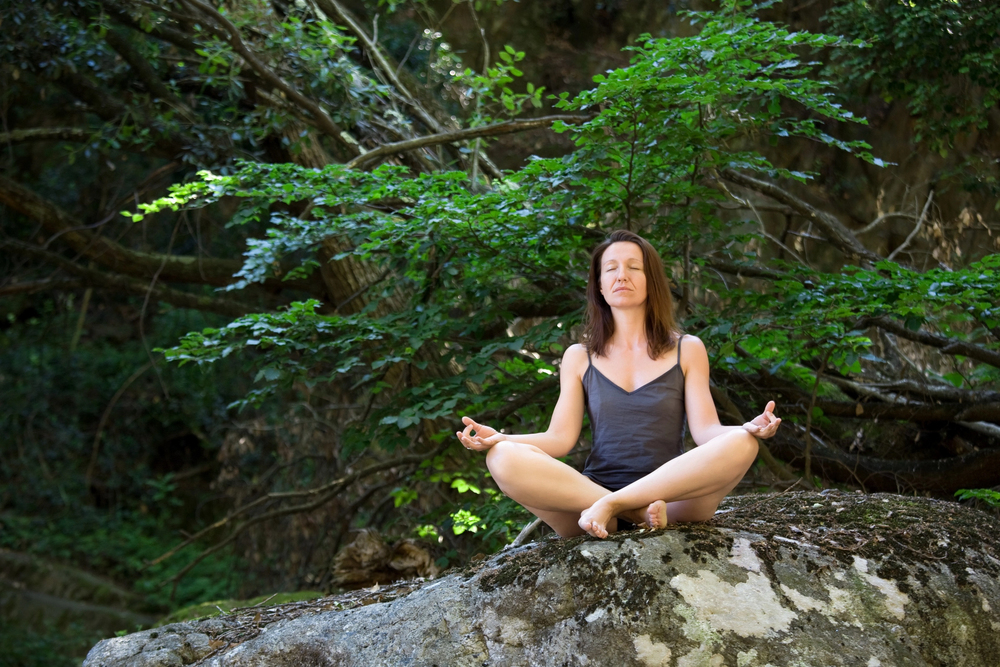
Find a quiet spot where you won’t be interrupted. Sit comfortably and take a few deep breaths to relax and center yourself. Breathe in to the count of 4, hold for 4 and then breathe out for 4. Once you begin reciting the phraswes, if your mind wanders, gently bring it back to the phrases.
First, extend the well-wishes to yourself. Silently or by whispering, repeat the phrases, inwardly hearing, feeling, affirming “May I be happy, may I be healthy, may I be safe, may I live with ease”.
Think of a close friend or family member and direct the same loving-kindness phrases to them, continuing to inwardly hear, feel and affirm.
Next, consider someone you don’t have strong feelings about, such as an acquaintance, and offer them well-wishes.
Bring to mind someone with whom you have or have had a conflict, then offer the phrases for their well-being.
Finally, broaden the circle of kindness to include all people in your community, your country, and eventually all living creatures.
Conclude the meditation by sitting with the feelings of warmth, compassion, and connection that have arisen.
Benefits of Loving-Kindness Meditation
It cultivates a sense of connection, leading to greater happiness and life satisfaction.
It can help quiet the inner critic, reduce symptoms of depression and anxiety, and, even though you start the meditation with well-wishes for yourself, it lessens the focus on oneself.
Regular practice fosters empathy and improves social interactions and close relationships.
It’s a powerful self-care technique that strengthens positive emotions and helps cope with stress.
Integrating the Loving Kindness Meditation into your life
To help weave it into your routine, try it during quiet moments like morning reflections or evening wind-downs, focusing on affirmations that celebrate your growth and foster a sense of community, turning daily frustrations into opportunities for inner peace and joyful connections.
As you practice, notice how it cultivates resilience and purpose, empowering you to embrace transitions with strength and celebrate life’s joys. Remember, kindness to yourself is the first step toward a more meaningful and vibrant journey.
If you’d like to be guided through a Loving Kindness Meditation, here is a nice example:
LEARN TO LOVE YOUR LIFE AGAIN
 Do you feel like you need to hit the REFRESH button on your life? Download our free guide and begin to create your best life yet!